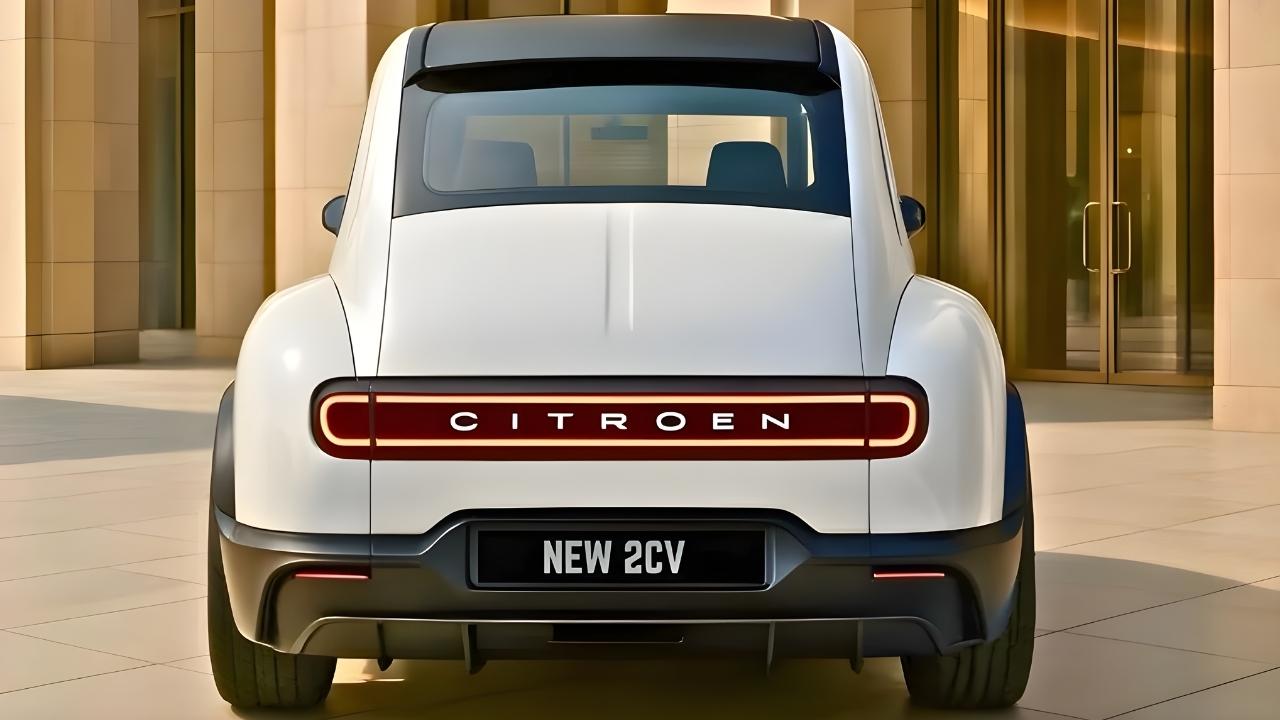
The idea of the 2026 Citroën 2CV EV feels less like a product launch and more like the revival of a cultural symbol. For generations, the 2CV represented freedom on a budget — simple, cheerful, and built for real life. Bringing that spirit into the electric era is a bold move, especially at a time when many EVs are becoming larger, more complex, and increasingly expensive. This new chapter aims to keep things light, approachable, and refreshingly different.
Exterior Design That Stays Playful
The charm of the original 2CV was impossible to ignore. Its curved roofline, rounded fenders, and friendly face made it instantly recognizable. The 2026 electric version is expected to preserve that personality while refining the details for a modern audience.
Slim LED lighting could replace the old circular lamps while maintaining their expressive look. Smooth body panels may improve aerodynamics without losing the car’s soft, approachable shape. Subtle chrome accents or heritage-inspired color palettes might connect past and present in a way that feels authentic rather than forced.
Compact Size Built for Urban Life
Cities are becoming more crowded, and oversized vehicles can feel out of place in tight streets. The 2CV EV is likely to remain compact, making it easy to park, easy to maneuver, and perfectly suited for dense urban environments.
Its small footprint would allow drivers to slip through traffic with confidence. A light steering setup and responsive electric motor could make stop-and-go commuting smoother and quieter than ever before. For apartment dwellers or daily commuters, this kind of practicality matters more than high-speed performance.
Electric Power With Everyday Simplicity
Unlike performance-focused EVs chasing extreme acceleration numbers, the 2CV EV is expected to focus on efficiency and ease of use. A modest electric motor paired with a city-optimized battery pack would deliver enough range for daily errands, school runs, and short commutes.
Charging could be simple and flexible, whether at home using a standard wall connection or through public charging stations. Low maintenance requirements — thanks to fewer moving parts — would make ownership straightforward and budget-friendly.

Interior That Blends Retro and Modern
Inside the cabin, simplicity will likely remain the guiding principle. Clean dashboard lines, lightweight materials, and uncluttered controls could echo the spirit of the original model. At the same time, modern essentials are expected to be included.
A compact digital display may replace traditional gauges, offering battery status and navigation information clearly. Smartphone connectivity, Bluetooth audio, and basic driver assistance systems would ensure the car feels current without overwhelming drivers with complexity. Sustainable fabrics and recycled materials might further support the eco-conscious identity of the vehicle.
Designed for Affordability
One of the strongest rumors surrounding the 2026 2CV EV is its accessible pricing. Positioned below many mainstream electric hatchbacks, it could become an entry point into electric mobility for young buyers and first-time car owners.
Keeping costs down likely means focusing on essential features rather than luxury add-ons. By prioritizing practicality, reliability, and charm, the 2CV EV could appeal to drivers who want an electric car without stretching their budget.
Personality in a Market of Similar Shapes
Modern EV design often leans toward sleek minimalism, which can sometimes result in cars that look alike. The 2CV EV would stand apart by embracing its quirky heritage.
Its friendly proportions, distinctive silhouette, and playful attitude could make it instantly recognizable. For many buyers, emotional connection matters just as much as technical specifications. A car that makes people smile every time they see it holds a unique kind of value.
Sustainability Beyond the Drivetrain
Electric power is only one part of the sustainability equation. The 2026 2CV EV may also incorporate eco-friendly production methods and responsibly sourced materials. Lightweight construction would not only improve efficiency but also reduce material usage.

By focusing on durability and simplicity, the car could encourage longer ownership cycles, reducing waste and supporting a more responsible approach to mobility.
A Community Waiting to Welcome It Back
The original 2CV built a loyal following that extended far beyond its practical purpose. Owners formed clubs, organized road trips, and celebrated the car’s cheerful personality. An electric revival could spark a new wave of community enthusiasm.
Young drivers discovering the 2CV name for the first time and longtime fans revisiting a beloved icon might find common ground in this modern reinterpretation. That shared passion could become one of the strongest pillars of its success.
Final Thoughts on the 2026 Citroën 2CV EV
The 2026 Citroën 2CV EV represents more than a nostalgic redesign. It reflects a shift toward simpler, friendlier electric vehicles built for real-world needs. By blending classic charm with modern technology and affordable pricing, it has the potential to carve out a unique space in the growing EV market.
If the final production model captures even half of the spirit that made the original legendary, the new 2CV EV could become a symbol once again — this time for accessible, joyful electric mobility in the modern city.